



There was a time when buying a fixer-upper in Toronto was almost a rite of passage. Find a house that needed some work, buy it for less than the competition, roll up your sleeves and build some equity along the way. At least, that was the idea. And it still could be. When you buy into an emerging neighbourhood, you are often buying houses that have been owned by the same owners for decades.
When I bought my first and second homes, they were definitely fixer-uppers. Some of the work was expected. Other discoveries came after we opened up the walls. That’s often the thing about older houses: They can have a few stories to tell, and not all of them are inexpensive.
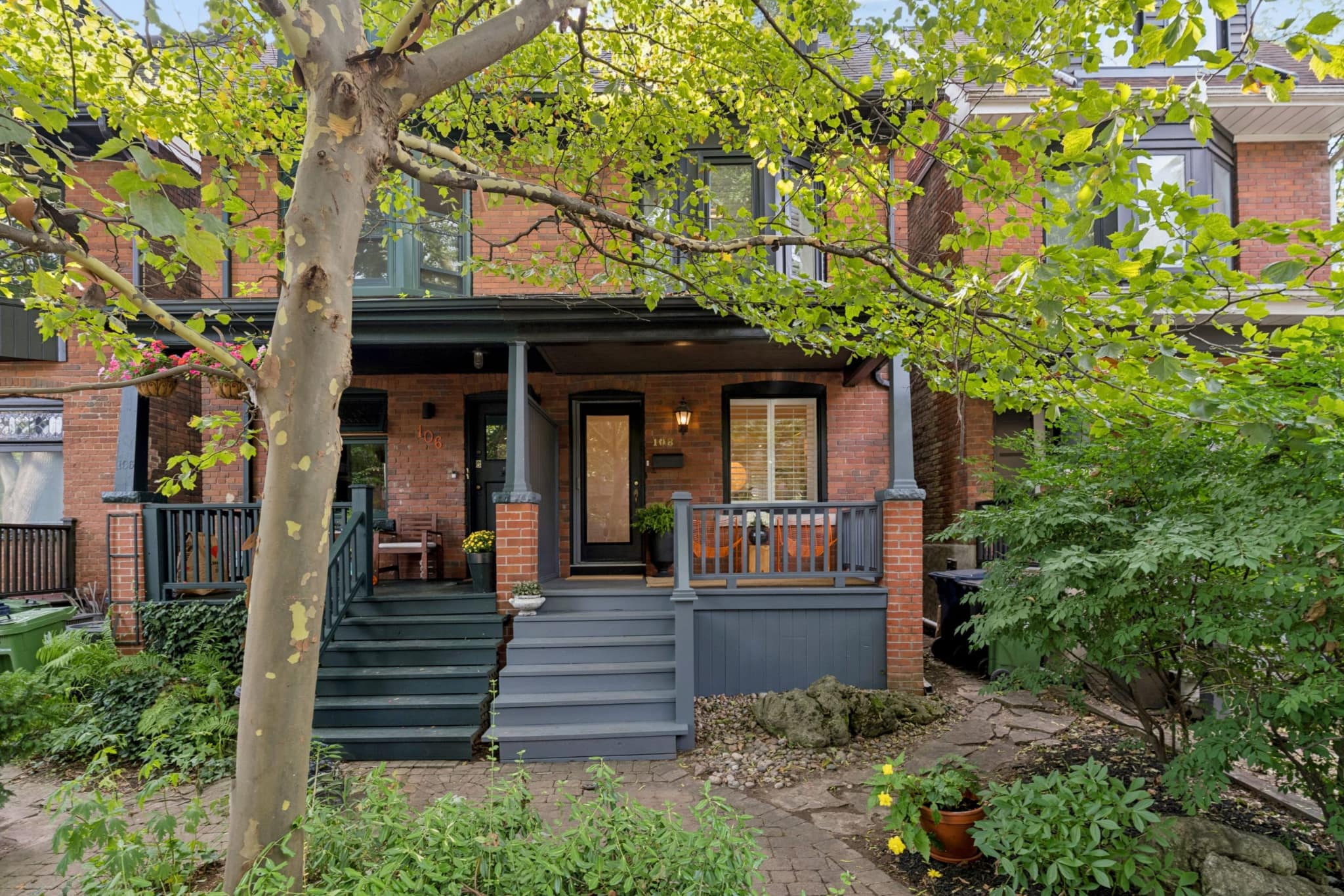
For decades, the handyman special was a way for buyers to get into neighbourhoods like Roncesvalles, Leslieville and The Junction without paying a premium for a fully renovated home. There was also the appeal of making a house your own, rather than inheriting someone else’s design choices.
Then came the renovation boom. HGTV helped popularize the idea that a little sweat equity, some clever design and a good contractor could transform an ordinary property into something worth considerably more. Investors and renovators entered the market, adding another layer of competition for houses that needed work.
But the economics of renovating in Toronto have changed.
Homes cost considerably more than they did 20 years ago. Labour and materials can be expensive, skilled trades can be difficult to schedule, and major renovations can involve permits, unexpected repairs and months of disruption. At the same time, fewer buyers are necessarily looking to take on a substantial renovation project simply to make a profit.
Does that mean buying a fixer-upper in Toronto no longer makes sense? Not at all. It just means the definition of a good fixer-upper has changed.
1. The Sweat Equity Equation Has Changed
The traditional appeal of a fixer-upper was simple: buy at a discount, do some of the work yourself, hire professionals for the rest and gradually increase the property’s value.
That can still work, particularly if you have renovation experience, reliable tradespeople or the patience to spread improvements over several years.
The challenge comes when the work extends beyond cosmetic updates, and some expected updates required from older houses.
Painting, refinishing floors and replacing an outdated kitchen are one thing. Rewiring an entire house, replacing plumbing, repairing structural issues or underpinning a basement is quite another. These projects require specialized trades, significant budgets and careful coordination.
Even if you are handy, there is only so much you can do yourself. And the money saved on a purchase can disappear surprisingly quickly once the renovation budget starts growing.
The lesson isn’t that sweat equity is dead. It’s that you need to know where the equity is likely to come from before you buy.
2. Renovation Costs Are Only Part of the Equation
The purchase price is just the beginning when you buy a house that needs extensive work.
There may be architectural fees, permits, engineering reports, contractor deposits, temporary accommodation, storage, financing costs and unexpected repairs. If the project takes longer than anticipated, those costs can add up.
Toronto’s older homes can also present challenges that aren’t immediately obvious during a showing. You might discover outdated wiring, aging plumbing, water infiltration, deteriorating foundations or previous renovations that weren’t completed properly.
Not every older house has these problems, of course. And some issues are relatively straightforward to address. The important thing is to understand the difference between a manageable repair and a project that could significantly change your budget.
Before committing to a major renovation, get professional advice where needed, establish a realistic budget and leave room for surprises. With an older home, a contingency fund isn’t pessimism. It’s planning.
3. Time Has a Price Too
A major renovation can take months, and sometimes considerably longer than expected.
If structural changes, additions or significant alterations are involved, permits and other approvals may be required. The timeline will depend on the scope of the project, the approvals needed, contractor availability and what is discovered along the way.
Meanwhile, the bills continue. You may be carrying a mortgage, property taxes, insurance and utility costs while also paying rent or covering temporary accommodation.
Even if you can live in the house during renovations, there is a cost to the disruption. Kitchens, bathrooms and essential services aren’t always easy to do without, particularly if you’re renovating several areas at once.
This is one reason a property that looks like a bargain on paper may be less appealing once you calculate the full cost of owning and improving it.
4. Toronto Buyers Love a Finished Product
Here’s another important consideration: today’s buyers often place a real premium on a home that is already renovated, well presented and ready to move into.
A finished home offers convenience and a degree of certainty. You know what you’re getting, you can move in without coordinating a team of contractors, and you don’t have to spend your evenings choosing tiles or chasing down electricians.
For buyers with busy lives, limited renovation experience or little appetite for disruption, that convenience can be worth paying for.
But there’s a difference between buying a done house and buying a house that needs to be taken back to the studs.
You don’t necessarily need to choose between a fully renovated home and a major construction project. There is plenty of middle ground.
A house with a functional kitchen, a sound roof, decent windows and reliable mechanical systems might simply need new flooring, fresh paint, an updated bathroom or a more contemporary kitchen. Some improvements can be done immediately; others can wait until your budget, schedule and priorities allow.
That can be a very sensible way to buy in Toronto. You get a home you can enjoy now, with the opportunity to make it your own over time.
And you don’t have to live through a complete renovation to get there.
5. How to Buy a Fixer-Upper Without Taking on Too Much
If you’re considering a house that needs work, the goal isn’t necessarily to find the cheapest property. It’s to find one where the purchase price, condition and likely renovation costs make sense together.
Here are three things worth considering.
Look for cosmetic potential, not just a low price.
An outdated kitchen, tired paint colours, worn flooring or dated light fixtures can make a house look less appealing than it really is. These are often the kinds of improvements you can tackle gradually.
Structural problems, water issues and major mechanical deficiencies are a different proposition. They don’t automatically make a property a bad buy, but they deserve a much closer look before you commit.
Decide what needs doing now and what can wait.
You may need to address a safety issue or repair a failing roof immediately. Updating a bathroom or replacing perfectly functional cabinets might be something you can postpone.
Separating essential repairs from improvements you’d simply prefer to make can help keep the budget under control.
Do the numbers before falling in love with the potential.
Compare the property with similar homes that are already renovated. Then estimate the cost of the work, add a contingency and account for the time and inconvenience involved.
For example, if a comparable finished home is worth $1.3 million and a property needs $150,000 in renovations, buying it for $1.15 million doesn’t automatically make it a bargain. You still have carrying costs, unexpected expenses and the value of your time to consider.
The right purchase price depends on the actual condition of the house, the scope of the work and the alternatives available in the neighbourhood.
So, Is Buying a Fixer-Upper in Toronto Still Worth It?
Absolutely, in the right circumstances.
A house that needs cosmetic updates can offer an opportunity to buy into a neighbourhood you love, avoid paying for someone else’s renovations and improve the property at your own pace.
A house requiring a major overhaul can also make sense for the right buyer, particularly someone with renovation experience, access to reliable trades and a budget that can absorb the unexpected.
But buying a fixer-upper simply because it looks cheaper than the house down the street is not much of a strategy.
The best approach is to be realistic about what you are taking on. Understand the condition of the property, estimate the true cost of the work and compare that with the price and convenience of buying a renovated home.
Sometimes the best deal is the house that’s already done. Sometimes it’s the one that needs a little work. And sometimes the smartest move is to find something in between.
In Toronto’s real estate market, you don’t have to buy a finished product to make a good purchase. But you should know what you’re getting into before you start picking out paint colours.

Ready To Plan Your Strategy?
I’m ready to help you reach your real estate goals.